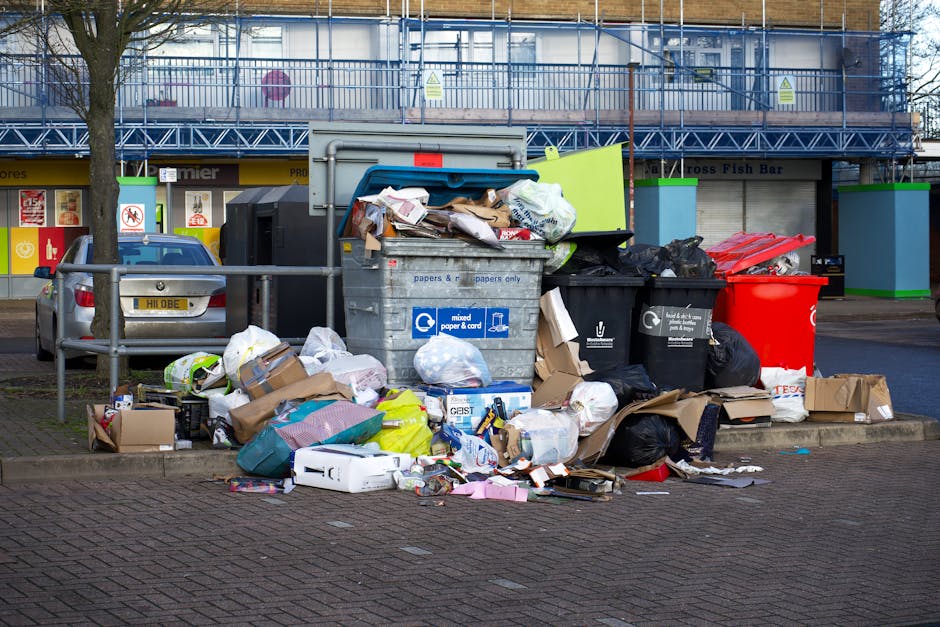
Rose Theatre area rubbish clearance guide Kingston
If you are dealing with unwanted rubbish near the Rose Theatre, the job can look simple at first and then become oddly complicated very quickly. One minute it is a few broken chairs and some packaging; the next it is bulky waste, awkward access, and that awkward question of where it all actually goes. This Rose Theatre area rubbish clearance guide Kingston brings the whole process down to earth, so you can clear space without wasting time, money, or energy.
The area around the Rose Theatre can be busy, tight for parking, and sensitive to mess. That means planning matters. In this guide, you will find a practical breakdown of how rubbish clearance works, what to watch out for, how to choose the right method, and how to avoid the mistakes that create delays. We will also touch on local best practice, what typically belongs in different clearance jobs, and when it makes more sense to bring in a professional team rather than doing it piecemeal yourself.
To be fair, rubbish clearance is rarely just about rubbish. It is usually about reclaiming a room, getting a property ready for use, or getting rid of the stuff that has been quietly building up for months. And once you get it right, the relief is immediate.
Table of Contents
- Why Rose Theatre area rubbish clearance guide Kingston matters
- How Rose Theatre area rubbish clearance guide Kingston works
- Key benefits and practical advantages
- Who this is for and when it makes sense
- Step-by-step guidance
- Expert tips for better results
- Common mistakes to avoid
- Tools, resources and recommendations
- Law, compliance, standards, or best practice
- Options, methods, or comparison table
- Case study or real-world example
- Practical checklist
- Conclusion
- Frequently asked questions
Why Rose Theatre area rubbish clearance guide Kingston Matters
Rubbish clearance around the Rose Theatre is not the same as tipping a few bags into a bin at the end of the street. This part of Kingston often combines foot traffic, narrow access, nearby businesses, flats, and the general pressure that comes with a central location. That means a messy, unplanned clearance can disrupt neighbours, block access, and turn a simple job into a small headache. Nobody wants a pile of waste sitting in view while people are walking past for an evening show.
There is also the matter of sorting. Mixed rubbish can include cardboard, broken furniture, renovation offcuts, old appliances, and the occasional mystery item that has been in storage since who knows when. If you do not separate what can be reused, recycled, or disposed of in a specific way, you may end up paying more than necessary or wasting a second trip. And yes, that is exactly the sort of thing people only discover after lifting the heavy item downstairs.
Done properly, clearance is efficient and tidy. It protects the property, keeps access clear, and makes the whole area feel calmer. That matters whether you are clearing a home, a flat, an office, a retail unit, or a workspace supporting an event. If the clearance is part of a larger project, you may also want to look at general waste removal support or more targeted services such as builders waste clearance and office clearance depending on what is being removed.
How Rose Theatre area rubbish clearance guide Kingston Works
Most rubbish clearance jobs follow a fairly simple pattern: assess, sort, remove, and dispose responsibly. In practice, though, each step has a few moving parts. The first question is what kind of waste you actually have. Household rubbish, furniture, garden waste, mixed building debris, or business waste each needs a slightly different approach. That is because different items may require different handling, loading methods, and disposal routes.
For a local clearance around the Rose Theatre, access is often the real issue. Can a vehicle stop nearby? Is the waste upstairs? Is there lift access, or do items need to be carried down stairs and through a shared entrance? Small details matter. A pile of lightweight bags is one thing; a sofa, wardrobe, broken desk, and a fridge are another story entirely.
Professional clearance teams usually start with a quick scope of the job, either from photos, a call, or an on-site visit. Then they estimate labour, vehicle space, and any special handling required. If the job includes items like old mattresses, sofas, or appliances, it is often better to handle those through the relevant disposal route rather than treating them as generic rubbish. For example, mattress and sofa disposal and fridge and appliance removal are more suitable for certain bulky items than a one-size-fits-all clearance plan.
There is a small but important point here: good rubbish clearance is not just about speed. It is about the order of operations. The team that moves carefully saves you time later, because there are fewer dents, fewer delays, and fewer "we should have checked that first" moments. We have all had one of those, honestly.
Key Benefits and Practical Advantages
The obvious benefit is that you get your space back. But there is more to it than that. A well-managed clearance can improve safety, reduce stress, and make a property feel usable again. That is especially useful if you are preparing for a sale, a tenancy change, a refurbishment, or an event near the theatre district.
- Better access: corridors, entrances, and storage spaces become usable again.
- Less stress: you are not staring at a growing pile of waste every time you walk past.
- Cleaner presentation: important if visitors, tenants, staff, or contractors are coming in.
- More efficient sorting: recyclable materials can be separated from general rubbish.
- Lower risk of damage: awkward lifting and repeated moving are reduced.
- Improved time control: a scheduled clearance is easier to plan than several unpredictable trips to a disposal point.
There is also a practical knock-on effect. Once waste is removed, people tend to make better decisions about the remaining space. Suddenly that room becomes an office, the hallway becomes safe again, and the back corner that had become a permanent dumping spot is no longer, well, a dumping spot.
If you are dealing with specific categories of bulky items, it helps to explore the service that matches the waste. For example, furniture clearance and furniture disposal are useful when the main issue is sofas, tables, chairs, or office furniture rather than mixed general waste. For larger property tidy-ups, home clearance or house clearance may be the better fit.
Who This Is For and When It Makes Sense
This guide is for anyone in or around the Rose Theatre area who needs to clear out unwanted items without turning the whole thing into a weekend project that never quite ends. That includes homeowners, landlords, tenants, office managers, shop owners, builders, event organisers, and anyone in charge of a space that has become a bit too full.
It also makes sense if you are dealing with an urgent deadline. Maybe a tenancy ends tomorrow. Maybe a contractor is due on Monday morning. Maybe you have a storage room that has quietly become unusable. Or maybe you are just tired of stepping around the same broken cabinet for the sixth month in a row. Fair enough.
Typical situations include:
- Flat clearances after a move-out or tenancy change
- House clearances after a long period of accumulation
- Garage clearances where old paint tins, boxes, and tools have built up
- Loft clearances before insulation, conversion, or redecoration
- Garden clearance after seasonal trimming and debris collection
- Business waste removal for shops, offices, and hospitality spaces
For tighter spaces or shared buildings, a flat clearance can be especially useful because it is designed around access problems and multi-item removal. If the clutter has migrated to the top of the building, a loft clearance is often the safer choice. And if the mess is outside, garden clearance is a better route than trying to bundle green waste with everything else.
Step-by-Step Guidance
Here is a clear way to approach rubbish clearance near the Rose Theatre without overcomplicating it.
- Walk through the space. Look at every room, corner, cupboard, and outdoor area that needs clearing. Make a note of bulky items, bagged waste, and anything that might need special handling.
- Separate the waste types. Keep furniture, electrical items, general rubbish, garden waste, and builders' debris apart where possible. This saves time and avoids confusion later.
- Check access. Measure stairwells, note parking constraints, and think about how items will move out of the property. This is the bit people often skip. Then regret it.
- Identify anything sensitive or regulated. Items like confidential paperwork, sharp materials, or potentially hazardous waste need extra attention.
- Decide on the method. Some jobs suit a full clearance service; others might be better handled as targeted removal for furniture, appliances, or builders' waste.
- Book the right support. If the waste is bulky, mixed, or time-sensitive, schedule a collection that matches the size of the job rather than trying to squeeze it into multiple small trips.
- Prepare the site. Move valuables aside, clear a route, and make sure the team can work safely.
- Final sweep. Check corners, sheds, basements, and storage areas so nothing important gets left behind.
In real life, the best clearances are usually the ones where a little prep happens before the team arrives. It makes everything smoother. Even ten minutes of sorting can save a lot of shuffling later.
If you are not sure what can be loaded together, it helps to review the basics of skip-style waste rules through what can go in a skip. That page can give you a sensible idea of what is usually accepted, what needs caution, and what should be kept separate. It is not identical to every clearance job, of course, but it is a useful reference point.
Expert Tips for Better Results
Small improvements make a big difference here. The fastest jobs are usually not the ones where people rush around; they are the ones where the waste is prepared neatly and the route out is clear.
- Group items by type before collection day. A sofa beside cardboard boxes beside loose rubble slows everything down.
- Keep doorways and stairwells clear. It sounds obvious, but you would be surprised how often a bin bag ends up where a dolly or sack truck needs to pass.
- Photograph awkward items. This is useful when requesting pricing or checking whether an item needs specialist handling.
- Flag any lifting issues early. Heavy wardrobes, white goods, and waterlogged materials can change the whole job.
- Think about recycling first. If something can be separated cleanly, it is worth doing. That applies particularly to metal, cardboard, and clean wood.
- Use the right clearance category. It may sound slightly fussy, but choosing the right service can reduce both cost and hassle.
One of the best habits is simply to ask, "What is the actual problem here?" Is it clutter, bulky furniture, renovation debris, or just a lot of mixed waste in the wrong place? Once you know that, the solution becomes much clearer.
For example, a landlord clearing out a studio near central Kingston may need a combination of flat clearance and furniture disposal. A small office relocating before a fit-out may need office clearance and confidential shredding for sensitive paperwork. Different problem, different fix.
Common Mistakes to Avoid
A lot of clearance problems come from assumptions. People think all waste is the same, or that they can sort it later, or that there will definitely be enough room in the vehicle. Then the job expands. That is usually where the pain starts.
- Leaving sorting until the last minute. Mixed waste takes longer to handle and often costs more in labour.
- Forgetting about access restrictions. A collection that looks easy in the hallway can be tricky from the street.
- Ignoring specialist waste. Fridges, appliances, and potentially hazardous materials should not be treated like general rubbish.
- Underestimating volume. Bags stack up fast. So do broken chairs. Somehow, clutter multiplies when nobody is watching.
- Not checking what should stay behind. Documents, keys, chargers, spare parts, and valuables often hide in storage clutter.
- Choosing the wrong service for the job. A whole-house clear-out is not the same as a single-item disposal.
A practical tip: if the job has more than one waste stream, list them separately before you book anything. It gives you a clearer sense of scale and helps avoid "I thought there were only two bags" situations. There is always one extra pile. Always.
Tools, Resources and Recommendations
You do not need specialist equipment for every job, but a few simple tools can make a clearance smoother and safer. If you are preparing the site yourself, think in terms of control rather than brute force.
- Heavy-duty gloves: useful for broken edges, dusty storage items, and awkward cardboard.
- Sturdy sacks or boxes: better than overfilled loose bags, which tear at the worst possible time.
- Marker labels: handy if you are separating keep, recycle, and remove piles.
- Measuring tape: useful for large furniture or appliance items that need careful route planning.
- Flashlight: especially useful in lofts, garages, and basements where hidden items are easily missed.
- Phone camera: good for documentation, quotes, or confirming what needs to go.
In terms of online resources from the same website, these pages are especially useful when planning a larger clearance:
pricing and quotes if you want a better feel for cost factors, recycling and sustainability if you want to understand environmental handling, and book online when you are ready to arrange a visit or collection.
If the job involves a property clean-out after a long period of neglect or a move, the broader services on home clearance and house clearance pages are worth comparing with the more specific options. There is a real advantage in matching the service to the mess, rather than forcing the mess into a generic bucket.
Law, Compliance, Standards, or Best Practice
Rubbish clearance in the UK should be handled with care, especially where waste is mixed, bulky, electrical, or potentially hazardous. You do not need to become a legal expert to get this right, but it helps to follow sensible best practice: use a responsible clearance process, keep waste separated where practical, and avoid dumping anything you are not sure about.
Some items require extra attention. Electrical appliances, sharp waste, confidential paperwork, and materials that may be harmful if broken or mishandled should not be treated casually. If a job involves anything beyond ordinary household rubbish, it is wise to check whether it needs specialist handling through a service such as hazardous waste disposal or a more targeted removal route.
For businesses, compliance and traceability matter even more. A shop, office, or venue should be able to show that its waste has been dealt with responsibly. That includes being careful about where rubbish is stored before collection, who handles it, and whether sensitive materials are secure. If your clearance touches documents or records, confidential shredding is the safer path. If it touches appliances, make sure they are removed properly rather than simply moved out of sight.
Best practice in plain English? Do not guess. Separate what you can, identify risks early, and choose a clearance method that fits the waste rather than hoping it will sort itself out. It rarely does.
Options, Methods, or Comparison Table
There are a few common ways to handle rubbish clearance near the Rose Theatre. The right choice depends on volume, access, item type, and how quickly you need the space back.
| Method | Best for | Pros | Watch out for |
|---|---|---|---|
| Do it yourself | Very small, light loads | Low upfront spend, full control | Time, lifting, parking, and multiple trips |
| Skip-style loading | Builders' waste or ongoing clear-outs | Good for larger volumes, flexible loading | Access space, permit considerations, and sorting limits |
| Professional waste removal | Mixed waste, bulky items, fast turnaround | Efficient, hands-off, safer for awkward items | Needs accurate job description for best pricing |
| Specialist item disposal | Fridges, mattresses, sofas, appliances | Better handling for specific waste streams | Not suitable for everything in one pile |
If you are unsure whether your job leans more toward a general clearance or a more item-specific job, compare the main service pages. For example, mattress and sofa disposal is more relevant if the main issue is bulky soft furnishings, while builders waste clearance is the right direction for renovation debris, plasterboard, and mixed construction waste.
For some readers, a skip is still a sensible choice. In that case, it helps to understand the loading rules and what should be kept out. The page on what can go in a skip is a good companion resource, especially if you are weighing a long job against a same-day clearance.
Case Study or Real-World Example
Picture a small independent business a few streets from the Rose Theatre. The team has outgrown its storage room, and over time it has filled with old display boards, broken shelves, cardboard, a couple of office chairs, and half a dozen random boxes nobody wanted to deal with during busy season. The room smells a bit dusty, the floor is partly hidden, and nobody can find the spare printer paper without moving three things first.
The first instinct is usually to "sort it next week." But next week becomes next month, and next month becomes a problem. So the better move is a simple one: identify what is rubbish, what can be recycled, what must stay, and what needs careful handling. In this kind of scenario, a professional team can clear the space in one visit, separating the furniture, packaging, and mixed waste along the way. A business might also pair the job with business waste removal and, if needed, office clearance.
The result is not dramatic in a movie sense. There is no slow-motion music. But there is a very real moment when the room finally looks like a room again. The floor is visible, the route is clear, and people stop tiptoeing around it. That is the bit everyone remembers.
For a household version of the same story, imagine a flat clearance after a tenant move-out near central Kingston. A sofa, mattress, broken chair, old lamp, and a few bags of mixed items all need removing. Rather than trying to organise several separate trips, it is easier to arrange a focused clearance, ask for the bulky items to be included, and have the space fully reset in one go. Simple, really.
Practical Checklist
Use this checklist before any rubbish clearance near the Rose Theatre. It keeps the job grounded and helps you spot the awkward bits early.
- Walk through every room or area that needs clearing
- Separate rubbish, furniture, appliances, and special waste
- Check whether anything should be kept, recycled, or shredded
- Measure stairways, doorways, and access points
- Identify bulky items that may need two-person lifting
- Make sure parking or stopping space is workable
- Remove valuables, documents, and personal items in advance
- Decide whether you need a full clearance or a specific disposal service
- Note any hazardous, sharp, or heavy items
- Choose a booking time that suits access and neighbours
- Clear the route from the waste to the exit
- Do a final check of lofts, cupboards, sheds, and corners
If you are dealing with a more complete property tidy-up, the relevant support pages can help you narrow the job down: garage clearance for forgotten storage, loft clearance for upper-level clutter, and garden clearance for outdoor waste. Matching the service to the space saves effort. Every time.
Conclusion
Rubbish clearance around the Rose Theatre area is easiest when you treat it as a small project rather than a spontaneous chore. Once you separate the waste, understand the access, and choose the right clearance method, the whole process becomes much more manageable. That is the real lesson here: a bit of planning beats a lot of lifting.
Whether you are clearing a flat, an office, a shop, a loft, or a mixed pile of bulky items, the safest route is usually the one that gives you clarity first and speed second. You do not need a perfect system. You just need a sensible one that gets the space back without creating a new problem in the process.
Get a free quote today and see how much you can save.
And once the last bag is gone and the floor is finally visible again, it is surprising how much lighter the whole place feels. One less thing hanging over you. That matters more than people think.
Frequently Asked Questions
What does a Rose Theatre area rubbish clearance usually include?
It usually includes the removal of general rubbish, bulky items, bagged waste, and sometimes specific items like furniture or appliances, depending on the service booked. The exact scope depends on access and the type of waste.
Is rubbish clearance near the Rose Theatre suitable for flats and upper floors?
Yes, but access matters. Flats, stairwells, narrow halls, and shared entrances can affect how the job is planned. A flat clearance service is often a better fit for multi-storey properties.
Can I mix furniture and general rubbish in one clearance?
Often yes, but it is better to identify the furniture separately so the team can plan space, lifting, and disposal properly. If the furniture is the main part of the job, furniture clearance is usually the neatest option.
What if I have an old fridge or washing machine?
Appliances should usually be handled through a specific appliance removal route rather than treated like generic waste. Fridge and appliance removal is the safer and more practical choice.
How do I know if I need builders waste clearance instead?
If the waste comes from refurbishment, demolition, or site work, builders waste clearance is usually more appropriate. Think rubble, timber, plasterboard, packaging, and mixed construction debris.
Is garden waste handled differently from household rubbish?
Yes, green waste is often best separated because it may be handled or recycled differently. If you have branches, grass cuttings, soil, or hedge trimmings, garden clearance is a better match.
Can confidential papers be thrown out with general office waste?
They should not be mixed in casually. If there are documents containing sensitive information, confidential shredding is the safer route. It is one of those jobs where being careful is worth it.
How far in advance should I book a clearance?
If the job is straightforward, booking a little ahead is sensible. If it is urgent or tied to a move, tenancy end, or contractor deadline, earlier is better. The key factor is usually access and availability.
What should I prepare before the team arrives?
Clear the route, separate items where possible, remove valuables, and note any awkward access points. A quick walk-through can save a surprising amount of time.
Are there items that need special handling?
Yes. Fridges, mattresses, sofas, electronics, sharp waste, and potentially hazardous materials may need different handling. It is always better to flag these items upfront rather than hide them in a mixed pile.
How do I choose between clearance and a skip?
If the waste is mixed, bulky, or needs to go quickly, a clearance service is often easier. If you want to load waste over several days and have room for a skip, then a skip-related approach may suit better. The page on what can go in a skip is a useful guide when comparing options.
What is the main mistake people make with rubbish clearance?
The most common mistake is underestimating the amount of waste and not checking access early enough. It sounds small, but it can affect cost, timing, and how smoothly the job runs.
Where can I find more information about pricing and sustainability?
The most useful starting points are the pricing and quotes page and the recycling and sustainability page. Those pages help set expectations about how jobs are priced and how waste is handled responsibly.