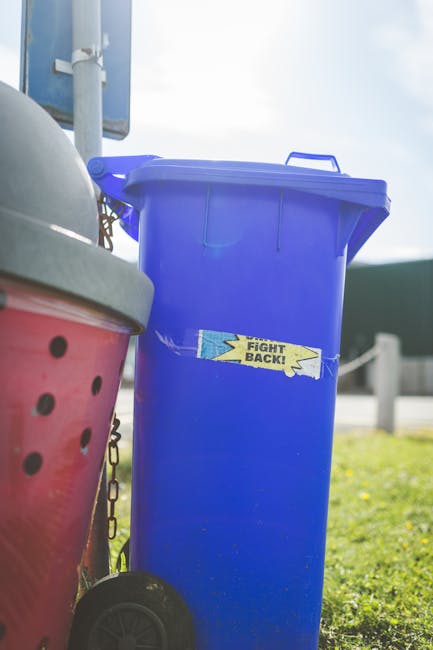
Kingston Station Rubbish Collection Guide for Residents
If you live near Kingston Station, you will know rubbish can become a surprisingly tricky part of everyday life. A missed bin day, a bulky item by the hallway, or a stack of bags that are too awkward to carry on the train commute home can quickly turn into a nuisance. This Kingston Station rubbish collection guide for residents is here to make the whole thing simpler, calmer, and a lot more practical.
Whether you are clearing out a flat, managing household waste after a move, or trying to dispose of awkward items without creating a mess in a shared entrance, the basics are the same: sort it properly, know what can be collected, and choose the right disposal route for the job. We will walk through how rubbish collection around Kingston Station typically works, what residents should expect, where common mistakes happen, and how to keep things tidy, safe, and efficient.
Along the way, you will also find a few sensible options if your waste is more than your regular bins can handle. Not glamorous, admittedly. But very useful.
Why Kingston Station rubbish collection guide for residents Matters
Kingston Station is a busy, high-footfall part of the town, and that changes the way waste needs to be handled. Shared pavements, narrow access points, busy residential streets, and the constant movement of people all mean that poor rubbish storage shows up quickly. A single overflowing sack is one thing. A pile of loose waste in a communal area is another entirely.
For residents, rubbish collection is not just about keeping a property neat. It affects kerb appeal, building hygiene, pest risk, neighbour relations, and even how easy it is to move around safely. If bins are left in the wrong place or waste is put out too early, it can obstruct footpaths and create a messy first impression for everyone passing by. Around station areas, that sort of thing tends to get noticed fast.
There is also a practical side. Good waste handling saves time, avoids repeated trips, and reduces the chance of having to sort through mixed rubbish later. If you have ever stood in a hallway at 8:15 in the evening wondering which bag has cardboard, which has garden clippings, and which has that slightly ominous old toaster, you will know the feeling.
Expert summary: The closer you live to a busy transport hub, the more important it is to plan rubbish collection as part of your routine, not as an afterthought. A little organisation now usually prevents a bigger headache later.
How Kingston Station rubbish collection guide for residents Works
At a practical level, rubbish collection for residents near Kingston Station usually falls into three broad categories: regular household bin collection, bulky waste removal, and ad hoc clearances for larger or mixed loads. Each one solves a different problem.
Regular household collection is the everyday service most people rely on for general refuse, recycling, and food waste where applicable. It works best when waste is separated correctly and placed out in the right container at the right time. Sounds simple. It usually is, until a rainy Tuesday morning and everyone is rushing for the train.
Bulky or awkward items need a different approach. Think broken furniture, worn-out mattresses, old appliances, garden waste after a tidy-up, or bags of mixed items from a loft or cupboard clearance. In those situations, a dedicated rubbish removal service is often more efficient than trying to force everything into standard bins.
Then there are mixed clearances, which are common in flats and terraced homes near station areas. Maybe you are leaving a property, maybe you are helping a relative, maybe you have been slowly building a pile in a spare room and are finally ready to face it. In those cases, the collection process is usually simplest when items are sorted into broad groups before removal.
If your waste includes furniture, appliance waste, or a full room of household items, it can help to look at specific services such as furniture disposal, fridge and appliance removal, or a broader waste removal service. For larger domestic projects, house clearance and home clearance can be more efficient than piecing everything together separately.
Key Benefits and Practical Advantages
The main benefit of getting rubbish collection right near Kingston Station is not just convenience. It is control. You decide what goes, when it goes, and how much disruption it creates. That matters when you live in a flat above a shop, share a corridor with neighbours, or simply do not want to spend your Sunday carrying bags around the block.
- Cleaner shared spaces: waste is removed before it starts to smell, leak, or attract pests.
- Less stress: you are not left waiting for the "right time" to dispose of awkward items.
- Better safety: fewer trip hazards in hallways, stairwells, and outside entrances.
- More space at home: clearing clutter makes rooms usable again, which is oddly satisfying once you get going.
- Better sorting and recycling: separating items in advance usually improves recycling outcomes.
There is another advantage people sometimes overlook: speed. If you have one oversized load, arranging a targeted collection can often be quicker than trying to patch together multiple disposal methods. That is particularly helpful after decorating, moving, or clearing a garage where the rubbish seems to multiply overnight. It does, a bit.
For items that need specialist handling, the right service matters even more. A broken freezer, for example, should not be left to rust in a communal yard. A battered sofa does not belong balancing by the station path. And hazardous items should never be mixed with normal household waste. When in doubt, separate it and check the proper route.
Who This Is For and When It Makes Sense
This guide is useful for a wide range of residents, not just homeowners. Kingston Station sits within an area where flats, shared houses, converted properties, and compact urban homes are all common. That means waste problems tend to be practical rather than dramatic, but still annoying enough to need a plan.
You may need a clearer rubbish collection approach if you are:
- moving into or out of a flat near the station
- decluttering after a long build-up of household waste
- clearing out a loft, garage, or spare room
- disposing of furniture that will not fit in standard bins
- managing post-renovation debris or builder's offcuts
- helping a relative sort through a home clearance
- living in a shared property where waste storage is tight
It also makes sense for landlords, letting agents, and property managers. A quick turnaround between tenancies often leaves a mix of items behind: bags, broken chairs, mattresses, old blinds, and the occasional mystery object that nobody admits ownership of. Been there? Most people have, in one form or another.
For those situations, more structured services can help. Flat clearance is particularly relevant for apartments and shared buildings, while loft clearance or garage clearance may suit residents with stored items that have quietly become permanent residents themselves.
Step-by-Step Guidance
If you want a smoother process, follow a simple sequence. It keeps things manageable and stops the job feeling bigger than it really is.
- Identify the waste type. Separate general rubbish, recycling, bulky items, and anything potentially hazardous.
- Decide what can stay and what should go. It sounds obvious, but this is where many people lose time. Make quick decisions and avoid hovering over every item for ten minutes.
- Check access. Think about stairs, parking, narrow hallways, lift access, and whether the items need to come through a communal entrance.
- Bag and bundle where possible. Loose rubbish is harder to move and more likely to spill.
- Keep hazardous items separate. Paints, chemicals, batteries, and similar materials should be handled with care and never mixed into general rubbish.
- Choose the right collection method. If it is ordinary bin waste, follow your normal household routine. If it is bulky or mixed waste, arrange a suitable removal option.
- Clear a sensible route. Make sure the path from the item to the exit is free of obstacles, especially in shared properties.
- Confirm the final sweep. Check cupboards, behind doors, under beds, and in the usual hiding places. Rubbish loves a corner.
If your load includes soft furnishings or a damaged mattress, dedicated disposal options are often easier and less messy. Services such as mattress and sofa disposal can be especially helpful for items that are too bulky for normal collection routines.
Expert Tips for Better Results
A few small habits make a noticeable difference. First, group similar items together before collection day. Cardboard with cardboard. Plastics with plastics. Heavy mixed waste in one place. It saves time and helps you see the true size of the job.
Second, think about what the waste will be doing between now and collection. Wet waste smells. Soft waste absorbs moisture. Food waste attracts pests. Even one damp bag left too long in a communal area can become a bit grim by the next morning. If it must wait, store it somewhere dry and secure.
Third, be realistic about access. A collection team can only move waste efficiently if they can reach it safely. If your property has tight stairs or awkward turns, say so in advance. That kind of honesty helps everyone. No one enjoys discovering a sofa will not make the final turn at the top of the stairs. It is not a good moment.
Fourth, separate anything that may require specialist handling. That includes fridges, freezers, electrical items, and potentially hazardous materials. Where relevant, services such as fridge and appliance removal and hazardous waste disposal are far safer than trying to improvise.
Finally, do not underestimate the value of timing. Early morning is often best for avoiding congestion around station roads and shared access points. By late afternoon, everyone is moving, doors are opening and closing, and the bin area can feel a little chaotic. A small timing adjustment can make the whole collection feel easier.
Common Mistakes to Avoid
Most rubbish collection problems near Kingston Station come down to a few repeat mistakes. The good news? They are easy enough to avoid once you know what to watch for.
- Mixing everything together: mixed waste can be harder to sort, more expensive to remove, and less recyclable.
- Leaving waste in communal areas too long: this can create odours, block access, and annoy neighbours quickly.
- Underestimating volume: what looks like "a few bags" often turns into far more once you start lifting and sorting.
- Ignoring access issues: if a collection team cannot safely reach the waste, delays happen.
- Putting hazardous items out with general rubbish: this is a safety issue, not just a neatness issue.
- Forgetting bulky item rules: large furniture and appliances rarely fit into a standard collection plan.
Another surprisingly common mistake is waiting until the last minute. Then everything becomes a rush. Bags are tied badly, boxes are half-open, and suddenly the whole job feels bigger and messier than it needed to be. Truth be told, a 20-minute sort in advance usually beats a stressful scramble later.
Tools, Resources and Recommendations
You do not need fancy tools to handle rubbish collection well, but a few basics help a lot. Heavy-duty bin bags, gloves, a box cutter for tape and packaging, and a sturdy trolley or sack truck for awkward items can all make life easier. If you are dealing with a larger load, even a simple marker pen and a few labels can help you sort the pile quickly.
For residents who are clearing out more than normal household waste, it can be useful to look at the kind of service that matches the job rather than defaulting to the nearest bin solution. If the space is full of old furniture, for example, furniture clearance may be more practical than handling each piece separately. For end-of-tenancy or whole-property jobs, house clearance can offer a cleaner, faster outcome.
If you are dealing with renovation debris, broken fixtures, plasterboard offcuts, or mixed DIY waste, builders waste clearance is usually a better fit than standard domestic disposal. Likewise, if the issue is ongoing waste from a workplace or home office setup, office clearance and business waste removal may be more appropriate depending on the setting.
A final practical recommendation: keep a single "action pile" for items you know need to go, rather than spreading them across rooms. That one habit stops clutter from drifting everywhere. Small thing, big difference.
Law, Compliance, Standards, or Best Practice
Waste disposal in the UK is governed by common-sense legal responsibilities and accepted handling standards, especially where waste might be passed to another person or company for removal. Residents do not need to memorise legislation, but they do need to be careful about what they hand over and how it is presented.
The core best practice is straightforward: keep waste secure, separate hazardous items, and make sure anything removed is handled by a legitimate, responsible route. If you are disposing of electrical items, appliances, chemicals, sharp materials, or anything potentially dangerous, treat that waste with extra caution. Do not assume it can go with ordinary rubbish because it is inconvenient to sort.
For shared properties and station-adjacent buildings, building rules may also matter. Some flats have specific bin storage instructions, collection times, or rules around leaving items in communal hallways. Those local rules can be just as important as wider waste-handling norms, because an awkwardly placed bag can quickly become everyone's problem.
Good practice also means keeping access routes safe. Waste should not block entrances, escape routes, or shared walkways. In real life, this matters more than most people think. A tidy corridor is not just nicer; it is easier to move through, easier to clean, and less likely to cause trouble.
If you are arranging a removal service, choosing a provider with clear policies on safety, payment, and customer care is sensible. Pages such as health and safety policy, insurance and safety, and payment and security are useful trust signals when you are comparing options.
Options, Methods, or Comparison Table
Different waste problems call for different solutions. The right method depends on volume, item type, access, and how quickly you need the space cleared.
| Method | Best for | Strengths | Limitations |
|---|---|---|---|
| Regular household bin collection | Everyday rubbish and standard recycling | Simple, routine, already built into home life | Not suitable for bulky or awkward items |
| Bulky waste removal | Furniture, mattresses, appliances, mixed household loads | Efficient for larger items, less lifting for residents | May need sorting or separate handling for specialist items |
| Full clearance service | Flats, homes, lofts, garages, end-of-tenancy jobs | Handles larger volumes and mixed waste in one go | Requires a bit more planning before the visit |
| Skip-based disposal | Projects with predictable waste and enough space for placement | Useful for ongoing DIY or renovation work | Needs space and proper loading discipline |
If you want to understand what usually fits safely and sensibly into a skip, the guide on what can go in a skip is a practical reference point. It is especially helpful if you are doing a renovation or deep clear-out and want to avoid guesswork.
For some residents, the choice is not one method versus another; it is a combination. A few bags may go with normal collection, a mattress may need specialist removal, and the rest may be bundled into a broader clearance. That mix is normal. In fact, it is often the most efficient answer.
Case Study or Real-World Example
Picture a typical flat near Kingston Station on a damp Wednesday evening. The resident has just finished a long declutter: two bags of old clothes, a broken bedside table, a sagging chair, a small pile of cardboard boxes, and an appliance that has been sitting in the corner for months because "I will deal with that later".
At first glance, it feels like five separate problems. But once the items are grouped by type, the job becomes much clearer. Cardboard is flattened and tied. Soft goods are bagged. The chair and table are stacked safely near the exit. The appliance is kept separate because it needs the right kind of removal. Suddenly the space looks bigger, the hallway is less crowded, and the collection plan is no longer a vague headache.
That kind of situation comes up a lot around station areas because homes are often compact and storage is limited. People do not have large garages or sheds to hide things away. They have a cupboard, a corner, and maybe a spare chair that has been "temporarily" kept for six months. So the best result usually comes from simple sorting, early action, and choosing the correct disposal route for each item.
It is not dramatic. Just effective.
Practical Checklist
Use this checklist before arranging rubbish collection near Kingston Station:
- Separate general waste, recycling, bulky items, and any hazardous materials
- Flatten cardboard and bundle light materials where possible
- Keep electrical items and appliances apart from normal rubbish
- Check whether furniture, mattresses, or sofas need specialist disposal
- Confirm access routes, stairs, lifts, and parking considerations
- Remove loose items from hallways and entrances
- Store waste securely if collection is not immediate
- Double-check shared building rules for bin storage and collection timing
- Use gloves and sturdy bags for rough or sharp waste
- Do a final sweep of rooms, cupboards, under beds, and loft corners
Quick takeaway: if you sort early and match the waste to the right disposal route, the whole process becomes easier, cheaper in effort, and much less chaotic.
Conclusion
Rubbish collection near Kingston Station works best when it is treated as a small system, not a one-off chore. Separate the waste, respect the access, keep safety in mind, and choose the method that fits the amount and type of rubbish you actually have. That is the simple truth of it.
For residents, the real goal is not just removing waste. It is keeping homes tidy, shared spaces safe, and busy days a little less stressful. If your rubbish problem is bigger than a normal bin day, there are sensible, straightforward options that can help without turning your week upside down.
Get a free quote today and see how much you can save.
And if you are standing there right now, looking at a stack of bags and wondering where to start, start small. One corner, one room, one load. That is usually enough to get the whole thing moving.
Frequently Asked Questions
What counts as rubbish collection for residents near Kingston Station?
It usually includes regular household bins, recycling, bulky waste, and larger clearances such as furniture, appliances, or mixed household items. The right method depends on what you are getting rid of and how much of it there is.
Can I leave bags in a communal hallway for collection?
Usually, no. Shared hallways should stay clear for safety and access. If you live in a flat, it is better to keep waste in a designated storage area or remove it at the correct time rather than leaving it in a shared passage.
What should I do with bulky items like sofas or mattresses?
Bulky items are often best handled through specialist disposal rather than standard bins. Services such as furniture clearance or mattress and sofa disposal are designed for items that are awkward to move and dispose of safely.
How do I dispose of an old fridge or freezer?
Appliances should not be left out with ordinary rubbish. Fridge and appliance removal is the safer and more practical route, especially because these items can be heavy and may require specialist handling.
What if my rubbish includes broken glass or sharp material?
Bag or box sharp material securely and make it obvious that it needs careful handling. Use sturdy containers, seal them well, and never let sharp waste spill loosely into a collection area.
Is it worth using a full clearance service for a small flat?
It can be, especially if you have mixed items, limited storage, or awkward access. A flat clearance service may save time and avoid multiple trips, which is often the real cost people forget to count.
How can I keep waste from smelling before collection day?
Seal food waste properly, store bags in a dry place, and avoid leaving anything damp for too long. If possible, keep bins or bags out of direct sun and away from shared entrances where odours travel quickly.
What is the best option after a home move near the station?
That depends on volume. A few leftovers may only need ordinary collection, but if you have furniture, boxes, and unwanted household items, home clearance or house clearance is often the cleanest solution.
Do I need to sort waste before a removal team arrives?
Yes, a basic sort makes the job faster and more efficient. You do not need to overthink it, but separating general rubbish, recyclables, bulky items, and hazardous waste helps a lot.
What if I am not sure whether something is hazardous?
Keep it separate until you are certain. If it could be chemical, oily, sharp, or otherwise risky, treat it cautiously. Hazardous waste should never be mixed into general rubbish by guesswork.
Are there options for office waste or rented workspace waste near Kingston Station?
Yes. Office clearance and business waste removal are useful if the waste comes from a work setting, shared office, or home office with larger volumes of paper, furniture, or mixed items.
What is the simplest way to prepare rubbish for collection?
Start by grouping similar items, bagging loose waste securely, and clearing a safe route for removal. If the waste is bulky or mixed, match it to the right service rather than trying to squeeze it into ordinary bins.